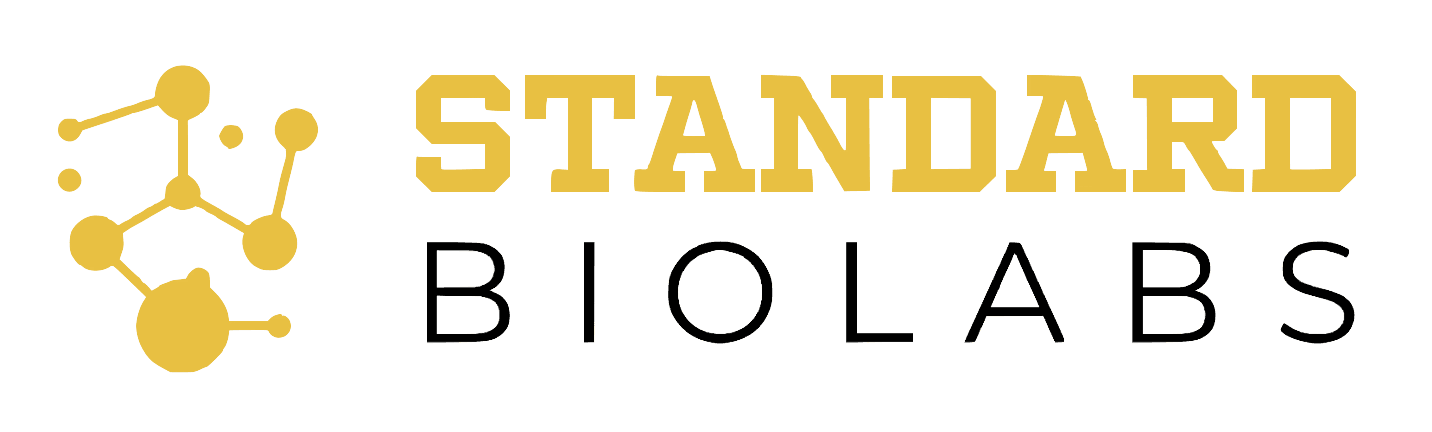
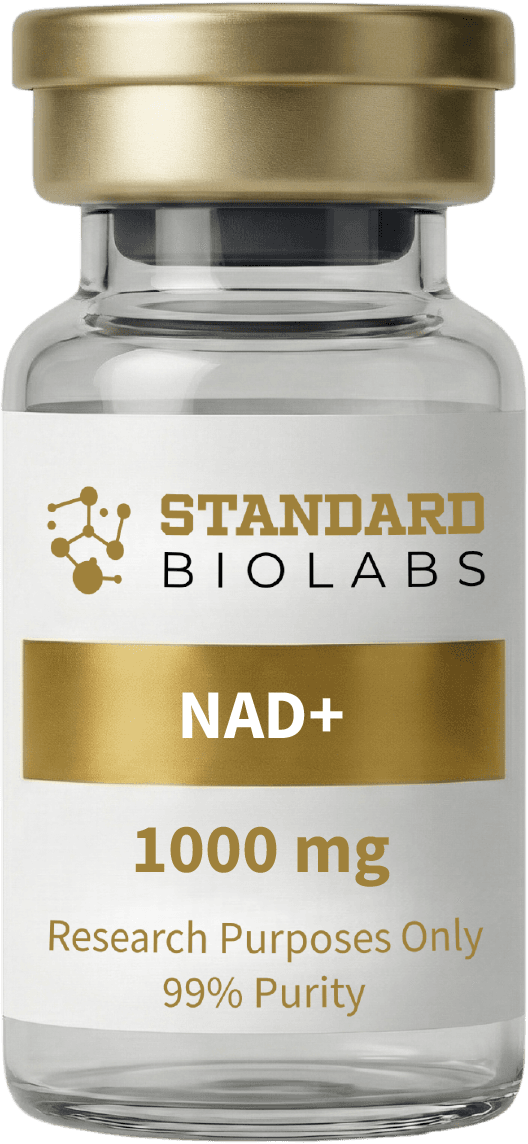
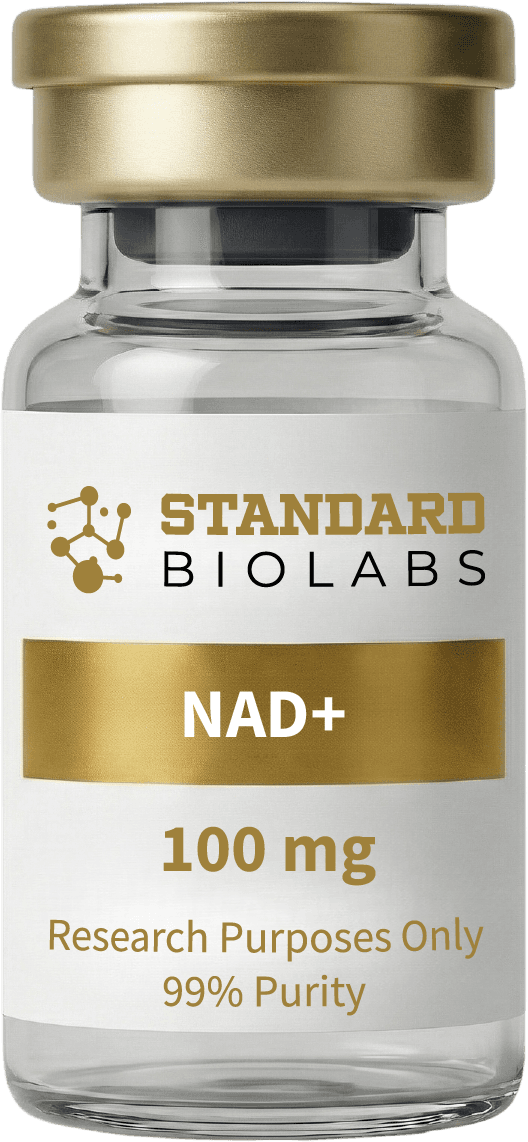
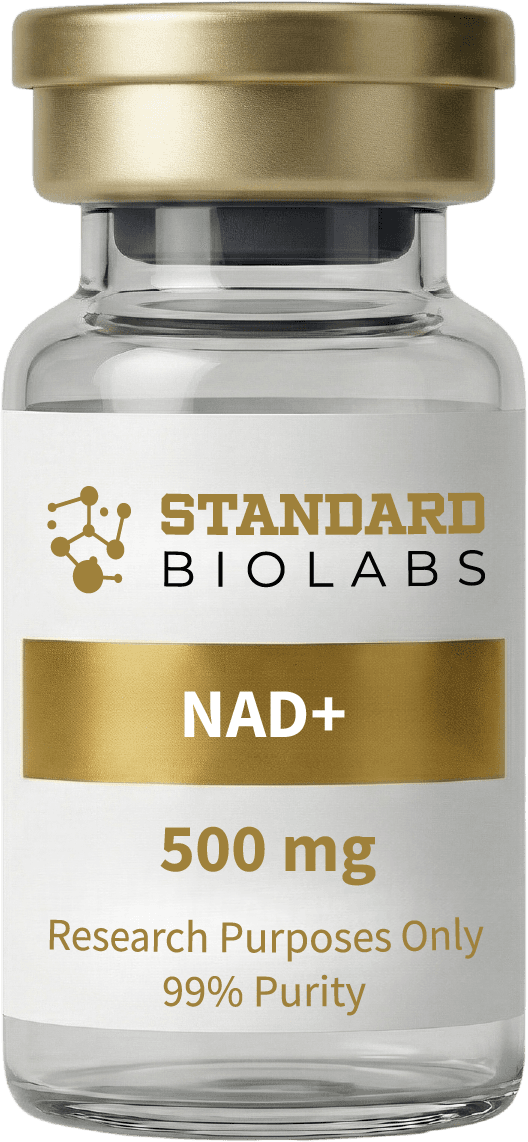
NAD+
$
380 AUD
Product Info
NAD+ (Nicotinamide Adenine Dinucleotide) is a coenzyme commonly used in laboratory research to study cellular metabolism, energy production, and redox reactions. It is of interest in controlled experimental settings examining mitochondrial function, sirtuin enzyme activity, and NAD+-dependent signaling pathways in cellular and biochemical assays. NAD+ is supplied strictly for research purposes only and is not intended for human or veterinary use.
Buy 3 and save 15%
Buy 5 and save 20%
Categories
Bacteriostatic Water
AOD
Cagrilintide
Cagrilintide + Semaglutide
Retatrutide
Semaglutide
Tirzepatide
SLU PP 332
MOTS C
BPC 157
bpc-157-tb-500
Description
Overview
Biochemical Characteristics
Research Applications
Pathway / Mechanistic Context
Form & Analytical Testing
RUO Disclaimer


Overview
Biochemical Characteristics
Research Applications
Pathway / Mechanistic Context
Form & Analytical Testing
RUO Disclaimer
Overview
Nicotinamide adenine dinucleotide (NAD+) is a fundamental coenzyme present in virtually all living cells, functioning as a critical electron carrier and substrate for enzymatic reactions central to energy metabolism, cellular signaling, and stress response. Composed of two nucleotides joined by a phosphodiester bond—one containing nicotinamide and the other containing adenine—NAD+ exists in dynamic equilibrium between its oxidized form (NAD+) and reduced form (NADH), establishing what is known as the cellular NAD+/NADH redox ratio. Beyond its classical role in glycolysis, the citric acid cycle, and the electron transport chain, NAD+ functions as a critical substrate for sirtuins (NAD+-dependent deacetylases), poly(ADP-ribose) polymerases (PARPs), and cyclic ADP-ribose (cADPR) synthases. These NAD+-consuming enzymes regulate gene expression, DNA repair, mitochondrial function, circadian rhythms, and cellular stress responses. Research has demonstrated that NAD+ levels decline significantly with age across all tissues, and this depletion is mechanistically linked to age-related pathologies including neurodegeneration, metabolic dysfunction, mitochondrial aging, and impaired stress resilience. NAD+ has emerged as one of the most extensively studied molecules in aging research and longevity science, with compelling evidence suggesting that restoration of NAD+ levels through supplementation or indirect pathway activation may ameliorate multiple age-associated phenotypes and extend healthspan.
Overview
Nicotinamide adenine dinucleotide (NAD+) is a fundamental coenzyme present in virtually all living cells, functioning as a critical electron carrier and substrate for enzymatic reactions central to energy metabolism, cellular signaling, and stress response. Composed of two nucleotides joined by a phosphodiester bond—one containing nicotinamide and the other containing adenine—NAD+ exists in dynamic equilibrium between its oxidized form (NAD+) and reduced form (NADH), establishing what is known as the cellular NAD+/NADH redox ratio. Beyond its classical role in glycolysis, the citric acid cycle, and the electron transport chain, NAD+ functions as a critical substrate for sirtuins (NAD+-dependent deacetylases), poly(ADP-ribose) polymerases (PARPs), and cyclic ADP-ribose (cADPR) synthases. These NAD+-consuming enzymes regulate gene expression, DNA repair, mitochondrial function, circadian rhythms, and cellular stress responses. Research has demonstrated that NAD+ levels decline significantly with age across all tissues, and this depletion is mechanistically linked to age-related pathologies including neurodegeneration, metabolic dysfunction, mitochondrial aging, and impaired stress resilience. NAD+ has emerged as one of the most extensively studied molecules in aging research and longevity science, with compelling evidence suggesting that restoration of NAD+ levels through supplementation or indirect pathway activation may ameliorate multiple age-associated phenotypes and extend healthspan.
Biochemical Characteristics
NAD+ possesses distinctive biochemical properties that establish its multifaceted biological roles: Molecular formula: C₂₁H₂₇N₇O₁₄P₂ (oxidized form); MW: 663.43 g/mol Structure: Composed of two nucleotide moieties—nicotinamide mononucleotide (NMN) and adenosine monophosphate (AMP)—joined by a pyrophosphate linkage Redox chemistry: The nicotinamide ring readily accepts electrons and hydrogen ions, converting NAD+ to NADH. This reversible redox transformation enables NAD+ to function as an electron shuttle between oxidoreductase enzymes Hydride transfer mechanism: During enzymatic reactions, NAD+ accepts a hydride ion (H⁻) from substrate molecules, providing a highly efficient electron transfer mechanism that drives countless metabolic reactions Cellular concentration: Present at 500 μM to 1 mM in mammalian cells, with dynamic fluxes between compartments (cytoplasm, mitochondria, nucleus) Subcellular distribution: Localized across multiple cellular compartments with distinct NAD+ pools in the cytoplasm, mitochondria, nucleus, and endoplasmic reticulum, each maintaining separate redox states Biosynthesis pathways: NAD+ is synthesized through multiple pathways including the de novo pathway (from tryptophan), the salvage pathway (from nicotinamide and nicotinic acid), and the Preiss-Handler pathway Rate of degradation: NAD+ is continuously consumed by sirtuins, PARPs, and other NAD+-consuming enzymes at rates of several micromoles per kilogram of tissue per minute, necessitating constant regeneration Stability: NAD+ is relatively stable in neutral pH aqueous solutions but subject to enzymatic degradation by NADases and phosphatases; stability enhanced in the presence of chelating agents and antioxidants Bioavailability: Direct NAD+ supplementation exhibits limited bioavailability due to membrane impermeability; research typically employs precursor molecules including nicotinamide mononucleotide (NMN), nicotinamide riboside (NR), nicotinic acid mononucleotide (NAMN), or nicotinamide (NAM) to enhance NAD+ restoration
Biochemical Characteristics
NAD+ possesses distinctive biochemical properties that establish its multifaceted biological roles: Molecular formula: C₂₁H₂₇N₇O₁₄P₂ (oxidized form); MW: 663.43 g/mol Structure: Composed of two nucleotide moieties—nicotinamide mononucleotide (NMN) and adenosine monophosphate (AMP)—joined by a pyrophosphate linkage Redox chemistry: The nicotinamide ring readily accepts electrons and hydrogen ions, converting NAD+ to NADH. This reversible redox transformation enables NAD+ to function as an electron shuttle between oxidoreductase enzymes Hydride transfer mechanism: During enzymatic reactions, NAD+ accepts a hydride ion (H⁻) from substrate molecules, providing a highly efficient electron transfer mechanism that drives countless metabolic reactions Cellular concentration: Present at 500 μM to 1 mM in mammalian cells, with dynamic fluxes between compartments (cytoplasm, mitochondria, nucleus) Subcellular distribution: Localized across multiple cellular compartments with distinct NAD+ pools in the cytoplasm, mitochondria, nucleus, and endoplasmic reticulum, each maintaining separate redox states Biosynthesis pathways: NAD+ is synthesized through multiple pathways including the de novo pathway (from tryptophan), the salvage pathway (from nicotinamide and nicotinic acid), and the Preiss-Handler pathway Rate of degradation: NAD+ is continuously consumed by sirtuins, PARPs, and other NAD+-consuming enzymes at rates of several micromoles per kilogram of tissue per minute, necessitating constant regeneration Stability: NAD+ is relatively stable in neutral pH aqueous solutions but subject to enzymatic degradation by NADases and phosphatases; stability enhanced in the presence of chelating agents and antioxidants Bioavailability: Direct NAD+ supplementation exhibits limited bioavailability due to membrane impermeability; research typically employs precursor molecules including nicotinamide mononucleotide (NMN), nicotinamide riboside (NR), nicotinic acid mononucleotide (NAMN), or nicotinamide (NAM) to enhance NAD+ restoration
Research Applications
NAD+ is extensively employed across multiple research domains investigating bioenergetics, aging, disease pathogenesis, and therapeutic intervention: Aging & Longevity Research Characterization of age-related NAD+ decline and mechanistic links to aging phenotypes Investigation of NAD+ restoration through supplementation or sirtuin modulation as geroprotective strategy Study of senescent cell behavior and senescence-associated secretory phenotype (SASP) modulation through NAD+-dependent mechanisms Exploration of healthspan extension and longevity pathway activation Mitochondrial Biology & Bioenergetics Assessment of mitochondrial oxidative phosphorylation efficiency and NAD+/NADH-dependent ATP production Investigation of mitochondrial dysfunction in aging and disease models Study of mitochondrial dynamics, fission/fusion balance, and quality control mechanisms regulated by sirtuins Evaluation of metabolic flexibility and substrate utilization patterns dependent on NAD+ availability Neurodegenerative Disease Models Examination of NAD+ depletion in Alzheimer's disease, Parkinson's disease, and ALS pathogenesis Investigation of PARP hyperactivation and NAD+ depletion following neuronal DNA damage Assessment of sirtuin-mediated neuroprotection through NAD+ restoration Study of neuroinflammation, microglial activation, and neuroinflammatory cytokine production Evaluation of axonal degeneration and neuroprotective interventions DNA Repair & Genomic Stability Investigation of NAD+-dependent poly(ADP-ribose) polymerase (PARP) activity in DNA damage response Assessment of single-strand break (SSB) and double-strand break (DSB) repair capacity Study of NAD+ depletion-induced genomic instability and senescence Examination of replicative stress and telomere biology Evaluation of age-related accumulation of DNA damage and mutation burden Metabolic Disorders & Glucose Homeostasis Study of NAD+-dependent regulation of glucose metabolism and insulin signaling Investigation of sirtuin-mediated improvement in insulin sensitivity and mitochondrial function in obesity and diabetes Assessment of metabolic switching and circadian regulation of metabolic pathways Examination of lipid metabolism and NAD+-dependent fatty acid oxidation Cardiovascular Function & Aging Investigation of NAD+ restoration in age-related vascular dysfunction and endothelial senescence Assessment of sirtuins in regulation of smooth muscle cell function and vascular tone Study of cardiac aging and age-related heart failure mechanisms Evaluation of NAD+-dependent regulation of inflammatory responses in cardiovascular disease Circadian Rhythm Biology Study of NAD+-dependent sirtuins in clock gene regulation and circadian oscillator function Investigation of circadian NAD+ fluctuations and metabolic synchronization Assessment of age-related circadian disruption and restoration through NAD+ pathway modulation Examination of sleep-wake cycle regulation and sleep quality Immune Function & Inflammation Investigation of NAD+ availability in T cell and B cell development and effector function Assessment of immunosenescence and age-related immune decline Study of innate immune signaling and pattern recognition receptor activation Examination of chronic low-grade inflammation ("inflammaging") and NAD+-dependent immune regulation Evaluation of trained immunity and immune memory responses Stress Response & Cellular Resilience Study of NAD+-dependent stress response pathways including heat shock response and unfolded protein response Investigation of cellular adaptation to metabolic, oxidative, and endoplasmic reticulum stress Assessment of autophagy and mitophagy regulation through sirtuin-dependent mechanisms Examination of hormetic stress responses and preconditioning mechanisms Tissue Regeneration & Wound Healing Investigation of NAD+ availability in stem cell differentiation and tissue-specific progenitor function Assessment of sirtuin-mediated enhancement of regenerative capacity Study of age-related decline in tissue regeneration and restoration through NAD+ pathway activation Evaluation of muscle regeneration and satellite cell function
Research Applications
NAD+ is extensively employed across multiple research domains investigating bioenergetics, aging, disease pathogenesis, and therapeutic intervention: Aging & Longevity Research Characterization of age-related NAD+ decline and mechanistic links to aging phenotypes Investigation of NAD+ restoration through supplementation or sirtuin modulation as geroprotective strategy Study of senescent cell behavior and senescence-associated secretory phenotype (SASP) modulation through NAD+-dependent mechanisms Exploration of healthspan extension and longevity pathway activation Mitochondrial Biology & Bioenergetics Assessment of mitochondrial oxidative phosphorylation efficiency and NAD+/NADH-dependent ATP production Investigation of mitochondrial dysfunction in aging and disease models Study of mitochondrial dynamics, fission/fusion balance, and quality control mechanisms regulated by sirtuins Evaluation of metabolic flexibility and substrate utilization patterns dependent on NAD+ availability Neurodegenerative Disease Models Examination of NAD+ depletion in Alzheimer's disease, Parkinson's disease, and ALS pathogenesis Investigation of PARP hyperactivation and NAD+ depletion following neuronal DNA damage Assessment of sirtuin-mediated neuroprotection through NAD+ restoration Study of neuroinflammation, microglial activation, and neuroinflammatory cytokine production Evaluation of axonal degeneration and neuroprotective interventions DNA Repair & Genomic Stability Investigation of NAD+-dependent poly(ADP-ribose) polymerase (PARP) activity in DNA damage response Assessment of single-strand break (SSB) and double-strand break (DSB) repair capacity Study of NAD+ depletion-induced genomic instability and senescence Examination of replicative stress and telomere biology Evaluation of age-related accumulation of DNA damage and mutation burden Metabolic Disorders & Glucose Homeostasis Study of NAD+-dependent regulation of glucose metabolism and insulin signaling Investigation of sirtuin-mediated improvement in insulin sensitivity and mitochondrial function in obesity and diabetes Assessment of metabolic switching and circadian regulation of metabolic pathways Examination of lipid metabolism and NAD+-dependent fatty acid oxidation Cardiovascular Function & Aging Investigation of NAD+ restoration in age-related vascular dysfunction and endothelial senescence Assessment of sirtuins in regulation of smooth muscle cell function and vascular tone Study of cardiac aging and age-related heart failure mechanisms Evaluation of NAD+-dependent regulation of inflammatory responses in cardiovascular disease Circadian Rhythm Biology Study of NAD+-dependent sirtuins in clock gene regulation and circadian oscillator function Investigation of circadian NAD+ fluctuations and metabolic synchronization Assessment of age-related circadian disruption and restoration through NAD+ pathway modulation Examination of sleep-wake cycle regulation and sleep quality Immune Function & Inflammation Investigation of NAD+ availability in T cell and B cell development and effector function Assessment of immunosenescence and age-related immune decline Study of innate immune signaling and pattern recognition receptor activation Examination of chronic low-grade inflammation ("inflammaging") and NAD+-dependent immune regulation Evaluation of trained immunity and immune memory responses Stress Response & Cellular Resilience Study of NAD+-dependent stress response pathways including heat shock response and unfolded protein response Investigation of cellular adaptation to metabolic, oxidative, and endoplasmic reticulum stress Assessment of autophagy and mitophagy regulation through sirtuin-dependent mechanisms Examination of hormetic stress responses and preconditioning mechanisms Tissue Regeneration & Wound Healing Investigation of NAD+ availability in stem cell differentiation and tissue-specific progenitor function Assessment of sirtuin-mediated enhancement of regenerative capacity Study of age-related decline in tissue regeneration and restoration through NAD+ pathway activation Evaluation of muscle regeneration and satellite cell function
Pathway / Mechanistic Context
Glycolysis & Citric Acid Cycle NAD+ accepts electrons from glucose and acetyl-CoA during glycolysis and the citric acid cycle, becoming reduced to NADH. Continuous regeneration of NAD+ enables uninterrupted metabolic flux and energy production. Electron Transport Chain NADH generated from NAD+-dependent dehydrogenases donates electrons to mitochondrial complex I, initiating redox reactions that establish the proton gradient driving ATP synthesis. Sirtuin Signaling Sirtuins (SIRT1-7) consume NAD+ while removing acetyl groups from histone and non-histone proteins, functioning as metabolic sensors that couple cellular energy state to gene expression and adaptive responses. SIRT1 activates PGC-1α and FOXO transcription factors promoting mitochondrial biogenesis and stress resistance. Mitochondrial sirtuins (SIRT3-5) regulate mitochondrial protein acetylation and energy metabolism. DNA Damage Response PARP enzymes consume NAD+ at high rates during detection and repair of DNA strand breaks. While critical for short-term DNA repair, excessive PARP activation can deplete NAD+ pools, impairing sirtuin function and cellular survival in chronically stressed cells. Circadian Regulation NAD+ levels exhibit circadian oscillations that regulate clock gene expression through SIRT1-mediated deacetylation of BMAL1 and PER2. Conversely, clock genes regulate expression of NAD+ biosynthetic enzymes, establishing bidirectional circadian-metabolic coupling. Immune Cell Function NAD+ availability determines T cell differentiation, with reduced NAD+ favoring inflammatory Th17 responses while elevated NAD+ supports regulatory T cell development. NAD+-dependent production of cADPR from CD38/CD157 modulates calcium signaling in immune cells. Mitochondrial Quality Control NAD+-dependent sirtuins regulate mitochondrial dynamics and autophagy through deacetylation of fission/fusion proteins and PINK1/Parkin pathways, enabling elimination of dysfunctional mitochondria.
Pathway / Mechanistic Context
Glycolysis & Citric Acid Cycle NAD+ accepts electrons from glucose and acetyl-CoA during glycolysis and the citric acid cycle, becoming reduced to NADH. Continuous regeneration of NAD+ enables uninterrupted metabolic flux and energy production. Electron Transport Chain NADH generated from NAD+-dependent dehydrogenases donates electrons to mitochondrial complex I, initiating redox reactions that establish the proton gradient driving ATP synthesis. Sirtuin Signaling Sirtuins (SIRT1-7) consume NAD+ while removing acetyl groups from histone and non-histone proteins, functioning as metabolic sensors that couple cellular energy state to gene expression and adaptive responses. SIRT1 activates PGC-1α and FOXO transcription factors promoting mitochondrial biogenesis and stress resistance. Mitochondrial sirtuins (SIRT3-5) regulate mitochondrial protein acetylation and energy metabolism. DNA Damage Response PARP enzymes consume NAD+ at high rates during detection and repair of DNA strand breaks. While critical for short-term DNA repair, excessive PARP activation can deplete NAD+ pools, impairing sirtuin function and cellular survival in chronically stressed cells. Circadian Regulation NAD+ levels exhibit circadian oscillations that regulate clock gene expression through SIRT1-mediated deacetylation of BMAL1 and PER2. Conversely, clock genes regulate expression of NAD+ biosynthetic enzymes, establishing bidirectional circadian-metabolic coupling. Immune Cell Function NAD+ availability determines T cell differentiation, with reduced NAD+ favoring inflammatory Th17 responses while elevated NAD+ supports regulatory T cell development. NAD+-dependent production of cADPR from CD38/CD157 modulates calcium signaling in immune cells. Mitochondrial Quality Control NAD+-dependent sirtuins regulate mitochondrial dynamics and autophagy through deacetylation of fission/fusion proteins and PINK1/Parkin pathways, enabling elimination of dysfunctional mitochondria.
Preclinical Research Summary
NAD+ is supplied as pharmaceutical-grade oxidized (NAD+) or reduced (NADH) forms in either crystalline powder or sterile aqueous solution at concentrations from 1–100 mM. Storage is optimal at 2–8°C in dark conditions with inert gas headspace to prevent oxidative degradation. Shelf-life is typically 12–24 months for solutions and 24–36 months for lyophilized powder. Analytical characterization includes HPLC quantification of NAD+ and NADH content with purity verification (≥95%), HPLC-MS confirmation of molecular structure, UV spectrophotometry at 260 nm for concentration determination, elemental analysis verifying empirical formula, and microbial sterility and endotoxin testing. Enzymatic activity assays using lactate dehydrogenase verify NAD+ functionality. All products include Certificate of Analysis documentation with lot-specific analytical data.
Preclinical Research Summary
NAD+ is supplied as pharmaceutical-grade oxidized (NAD+) or reduced (NADH) forms in either crystalline powder or sterile aqueous solution at concentrations from 1–100 mM. Storage is optimal at 2–8°C in dark conditions with inert gas headspace to prevent oxidative degradation. Shelf-life is typically 12–24 months for solutions and 24–36 months for lyophilized powder. Analytical characterization includes HPLC quantification of NAD+ and NADH content with purity verification (≥95%), HPLC-MS confirmation of molecular structure, UV spectrophotometry at 260 nm for concentration determination, elemental analysis verifying empirical formula, and microbial sterility and endotoxin testing. Enzymatic activity assays using lactate dehydrogenase verify NAD+ functionality. All products include Certificate of Analysis documentation with lot-specific analytical data.
RUO Disclaimer
RESEARCH USE ONLY (RUO) This product is intended exclusively for laboratory research purposes and is not approved for clinical use, therapeutic application, or human/animal administration. NAD+ is provided for in vitro and in vivo research in qualified research facilities under institutional oversight. This product is not manufactured or tested for pharmaceutical use. Users assume full responsibility for determining suitability for their research, proper storage and handling, compliance with biosafety and safety protocols, and adherence to all applicable regulations. Institutional review and approval (IACUC, IRB) may be required depending on research applications. The information provided is for research reference only and does not constitute medical advice or claims of efficacy.
RUO Disclaimer
RESEARCH USE ONLY (RUO) This product is intended exclusively for laboratory research purposes and is not approved for clinical use, therapeutic application, or human/animal administration. NAD+ is provided for in vitro and in vivo research in qualified research facilities under institutional oversight. This product is not manufactured or tested for pharmaceutical use. Users assume full responsibility for determining suitability for their research, proper storage and handling, compliance with biosafety and safety protocols, and adherence to all applicable regulations. Institutional review and approval (IACUC, IRB) may be required depending on research applications. The information provided is for research reference only and does not constitute medical advice or claims of efficacy.
We are committed to supporting all research customers with consistent standards and professional care.

Subscribe
Subscribe to stay updated at every moment about all our news and product drops.
Terms of Service
Refund Policy
Privacy Policy
Promotional Terms

© Standard BioLabs. All rights reserved.
All products on this site are designated for Research Use Only and are supplied solely for laboratory, analytical, or scientific research purposes by qualified professionals. Products are not intended for human or animal use, and no diagnostic, therapeutic, or clinical use is intended or implied.
Standard BioLabs is a chemical supplier. Standard BioLabs is not a compounding pharmacy or chemical compounding facility as defined under 503A of the Federal Food, Drug, and Cosmetic Act. Standard BioLabs is not an outsourcing facility as defined under 503B of the Federal Food, Drug, and Cosmetic Act.
We are committed to supporting all research customers with consistent standards and professional care.
Subscribe
Subscribe to stay updated at every moment about all our news and product drops.
Terms of Service
Refund Policy
Privacy Policy
Promotional Terms
© Standard BioLabs. All rights reserved.
All products on this site are designated for Research Use Only and are supplied solely for laboratory, analytical, or scientific research purposes by qualified professionals. Products are not intended for human or animal use, and no diagnostic, therapeutic, or clinical use is intended or implied.
Standard BioLabs is a chemical supplier. Standard BioLabs is not a compounding pharmacy or chemical compounding facility as defined under 503A of the Federal Food, Drug, and Cosmetic Act. Standard BioLabs is not an outsourcing facility as defined under 503B of the Federal Food, Drug, and Cosmetic Act.
We are committed to supporting all research customers with consistent standards and professional care.
Subscribe
Subscribe to stay updated at every moment about all our news and product drops.
Terms of Service
Refund Policy
Privacy Policy
Promotional Terms
All products on this site are designated for Research Use Only and are supplied solely for laboratory, analytical, or scientific research purposes by qualified professionals. Products are not intended for human or animal use, and no diagnostic, therapeutic, or clinical use is intended or implied.
Standard BioLabs is a chemical supplier. Standard BioLabs is not a compounding pharmacy or chemical compounding facility as defined under 503A of the Federal Food, Drug, and Cosmetic Act. Standard BioLabs is not an outsourcing facility as defined under 503B of the Federal Food, Drug, and Cosmetic Act.
© Standard BioLabs. All rights reserved.